2 October 2026
Social proof for freelancers: what counts and where to use it
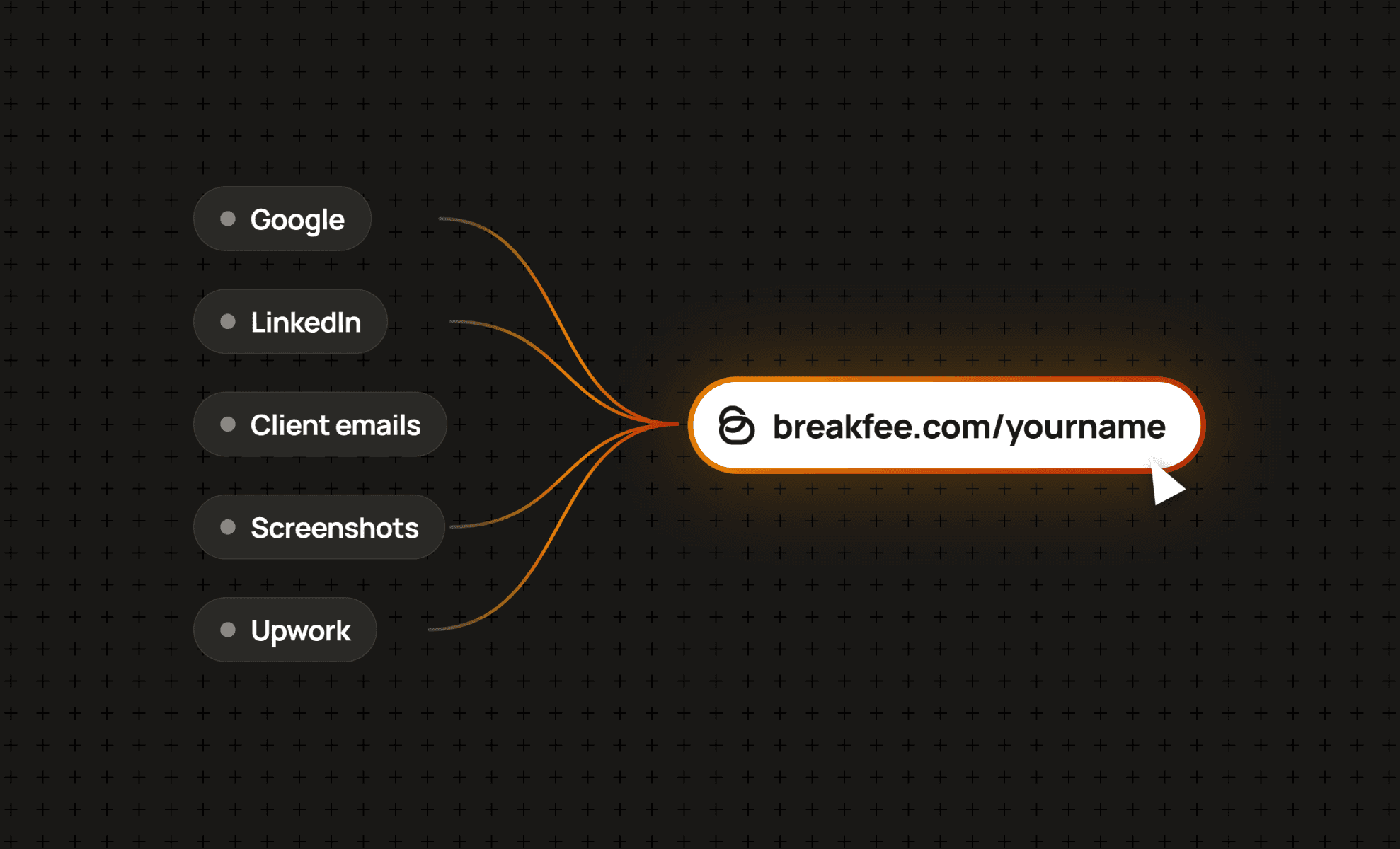
Most freelancers with a year or two behind them already have more of it than they realise. The hard part is finding it and getting it in front of the right person at the right moment.
What counts as social proof
Anything a client or collaborator has said or done that backs up your pitch:
Google reviews
LinkedIn recommendations
Ratings and feedback on freelance platforms
A testimonial a client sent you by email
A screenshot of a happy message in Slack or WhatsApp
A case study with numbers in it
Repeat work and referrals
Client logos, if you have permission to show them
Go through that list and count what you have. The total is usually higher than expected, and usually spread across five or six places.
What makes proof believable
Some praise does far more work than the rest.
Specific beats vague. "Great to work with" could be about anyone. "She rebuilt our onboarding emails in two weeks and support tickets from new customers dropped by a third" tells a prospect what you did and what happened next.
A name helps too. A quote from "Marketing Director, SaaS company" carries less weight than one with a real person and a real business attached.
Relevance matters more than volume. A founder hiring a copywriter wants to hear from another founder, and three reviews from people like them will do more than thirty from people who aren't.
Then there's the question of whether it's real. Anyone can paste a nice quote onto a website. Fake reviews have been banned under UK consumer law since April 2025, and the CMA's guidance sets out what counts. Proof that leads back to where it was first written is much harder to doubt.
Where to put it
Put proof wherever a prospect is deciding whether to trust you.
In a proposal, place one testimonial from a similar client right beside the price. That's the moment doubt is highest.
On LinkedIn, add a link to your reviews in your Featured section. Prospects check your profile before they reply to you.
In cold outreach, one line and one link does more than a paragraph about how good you are.
Then there's your website, your email signature, your social bios and the follow-up after a discovery call. Anywhere someone might pause and wonder whether you're as good as you say.
Your portfolio shows the work. Your reviews show what it was like to hire you.
Why most of it never gets used
A prospect asks if you've got any references. You open Google. Then LinkedIn. You search your inbox for "thank you" and scroll back through a client's Slack for that one message from March. Twenty minutes later you send four links and a screenshot, and hope they click.
That's the gap we built BreakFee for. You bring your existing reviews and testimonials into one profile. We check the ones you add manually against the original source before they go live. You get one link to send, and it's free to set up.
If you're new and don't have much yet
Start with what's true. A recommendation from a former manager or colleague counts. So does feedback from a first client, even on a small job. One specific testimonial is plenty to begin with, and you can ask for it the day the project wraps. We've written up how to ask a client for a review, with templates you can copy.
A ten-minute social proof audit
List every place your client feedback lives.
Count what's there.
Pick your five strongest and note who each one would persuade.
Look for gaps, such as a service or client type with nothing behind it.
Put your proof in one place and add the link to your next proposal.
If step one produces a longer list than you expected, here's where to keep client testimonials so you can find them.
When you want it all behind one link, create your free BreakFee profile.